
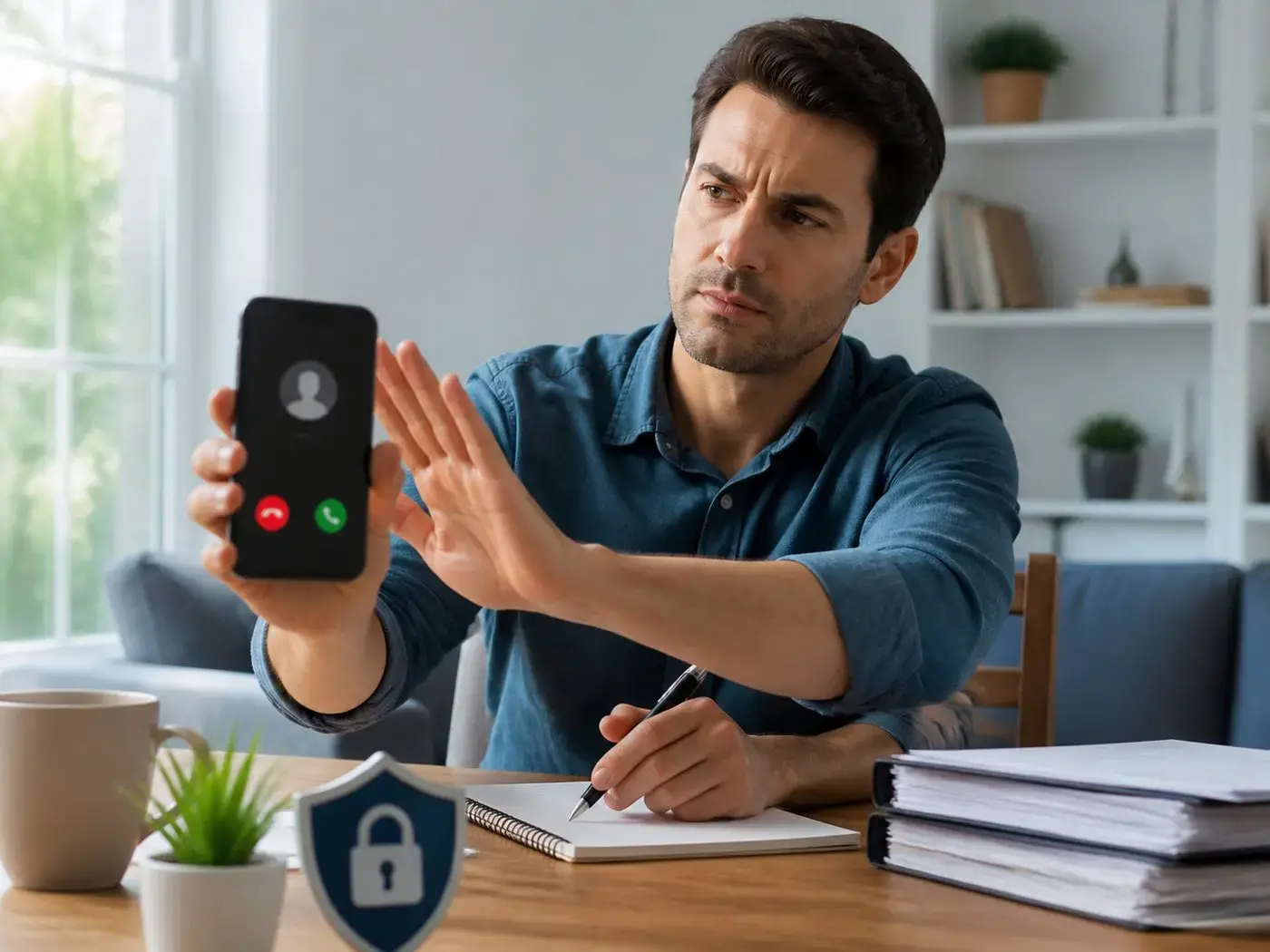
How to Stop Unwanted Health Insurance Robocalls
Unwanted health insurance calls can feel like background noise: a recorded voice about a health plan, a live agent who somehow knows your zip code, then another call a few hours later.
But many of these calls are not simply annoying. They may violate federal telemarketing rules, especially when they involve prerecorded sales messages or calls to numbers listed on the National Do Not Call Registry.
The most effective response is usually simple: register your number, hang up, block the caller, report suspicious robocalls, and be careful about where you enter your phone number online.
Understand What the Rules Cover
The Federal Trade Commission’s Telemarketing Sales Rule restricts many outbound sales calls.
In general, most telemarketing calls to numbers on the National Do Not Call Registry are prohibited, subject to certain exceptions. Most prerecorded sales calls are also restricted unless the caller has the required permission.
That means a prerecorded insurance sales pitch does not automatically become lawful simply because your number is not registered.
The Do Not Call Registry is designed to tell legitimate companies that you do not want most telemarketing sales calls. Registration is available through the government’s official site, DoNotCall.gov.
The registry does not stop every unwanted call. Companies that follow the rules are more likely to respect it; illegal operators may ignore it entirely.
Why Insurance Robocalls Keep Coming
Health insurance is a common target for aggressive telemarketing because consumers often search online for quotes, plan comparisons, or enrollment help.
One common source of future calls is an online lead form.
A quote-comparison page may collect your phone number and share it with several marketing partners. Depending on the language near the submit button, you may also be giving permission for companies to contact you.
This makes the consent language important.
Before entering a phone number into an insurance comparison site, check:
Which companies may receive your information
Whether you are consenting to calls or texts
Whether prerecorded or automated calls are included
Whether the consent applies to multiple marketing partners
A short quote request can sometimes lead to calls from companies you did not realize would receive your information.
Be Cautious With Unsolicited Insurance Offers
An unsolicited caller may claim to represent an insurer, broker, or health coverage program, but you should not rely on the caller’s description alone.
Caller ID can be spoofed, and the displayed phone number may not identify the real source of the call.
Do not provide sensitive information such as:
Social Security numbers
Insurance identification numbers
Bank or credit card details
Account passwords
One-time security codes
If a caller claims to represent an insurer you already use, hang up and call the number printed on your insurance card, statement, or the company’s official website.
If you are shopping for marketplace coverage, use official HealthCare.gov channels or a licensed broker whose contact details you found independently.
Register Your Number on the Do Not Call List
Adding your number to the National Do Not Call Registry can reduce legitimate telemarketing calls.
It will not stop every illegal caller, but it removes an important category of compliant sales calls and can make suspicious calls easier to recognize.
Use the official government registration channel rather than third-party sites claiming to register your number for a fee.
Registration does not require paying a company or purchasing a service.
Hang Up Instead of Following Robocall Prompts
A prerecorded call may say:
“Press 1 to speak with an agent.”
or:
“Press 2 to be removed from our list.”
The safer response to an unwanted or suspicious call is generally to hang up rather than interact with the automated menu.
Responding to prompts can confirm that the number is active and that a real person answers it. It may also lead to further calls.
Use your phone carrier’s blocking tools, built-in spam protection, or other call-filtering features instead.
Report Illegal Robocalls
Illegal or suspicious robocalls can be reported through DoNotCall.gov.
When making a complaint, provide whatever information you already have, such as:
Date and time
Displayed phone number
Company or product name
Whether the call was prerecorded
What the caller offered
Whether payment or personal information was requested
You do not need to stay on a suspicious call simply to gather evidence.
Reports help regulators identify patterns across many consumers, even when a single complaint does not immediately stop the caller.
Keep a Simple Call Record
A consistent record can make future complaints more useful.
Save:
Date and time
Caller ID number
Claimed company name
Product being advertised
Whether the message was prerecorded
Any request for money or sensitive data
Whether you had previously given permission to call
Whether you asked the caller to stop
Screenshots and voicemail recordings can also be useful if they are already available.
The goal is documentation, not prolonged engagement with the caller.
Review Online Consent Before Submitting Quote Forms
If unwanted calls begin shortly after using a comparison website, review the form you submitted if possible.
Look closely at the text near the button used to request the quote.
Some forms authorize contact from multiple insurance agents, lead generators, or marketing partners. The consent may cover calls, texts, or automated messages.
Where possible, save a screenshot of the disclosure before submitting.
If the consent is broader than you are comfortable with, use a direct insurer, official marketplace, or licensed broker instead.
Shop for Health Insurance Through Channels You Control
The safest insurance shopping process usually begins with you initiating the contact.
You can contact:
An insurer directly
A licensed insurance broker
The official health insurance marketplace
A trusted benefits administrator
Use a phone number or website that you located independently.
This reduces uncertainty about who you are speaking with and removes the time pressure that often accompanies unsolicited sales calls.
Frequently Asked Questions
Are unsolicited health insurance sales calls illegal?
Some are. Most telemarketing calls to numbers on the National Do Not Call Registry are restricted, and prerecorded sales calls are subject to additional rules and consent requirements.
The legality of a particular call can depend on the caller, your prior relationship, consent, and other circumstances.
Why do calls continue after I register?
The registry primarily affects businesses that comply with telemarketing law. Illegal operators, scammers, or companies using spoofed caller ID may continue calling.
Blocking and reporting remain useful even after registration.
Should I press a number to opt out?
For an unwanted or suspicious robocall, hanging up is generally safer than interacting with the automated system.
Could an online insurance quote form have triggered the calls?
Yes. Online lead forms may share contact information with multiple companies, depending on the consent language you accepted.
What should I do if the caller claims to be my insurer?
End the call and contact the insurer through a verified number from your card, statement, or official website.
Final Thoughts
Unwanted health insurance robocalls are easier to manage when you treat them as a privacy and verification issue rather than simply an annoyance.
Register your number, block suspicious callers, avoid responding to robocall prompts, report illegal calls, and review consent language before entering your phone number into online quote forms.
Most importantly, when you actually need insurance, initiate the contact yourself through a verified insurer, licensed broker, or official marketplace. That gives you much more control over who receives your information and who gets permission to call you.