
Overview
Main Perspective
You know that nagging feeling when you leave the house and wonder, Did I turn off the iron? Or how your electricity bill creeps higher every summer? My friend Maya and I felt the same—until we tried smart electricity management together. It wasn’t about fancy gadgets; it was about reclaiming peace of mind, saving real money, and spending less time worrying about waste. What started as a small experiment turned into a lifestyle shift—simple, practical, and surprisingly joyful. We didn’t set out to become tech experts. We just wanted to stop feeling guilty about leaving lights on, stop guessing about our energy use, and stop losing weekends to chores and anxieties that could’ve been avoided. And honestly? The changes we made weren’t dramatic. No rewiring. No expensive renovations. Just a few thoughtful tools that helped us live with a little more ease, a little more control, and a lot more confidence in how we ran our homes.
The Lightbulb Moment: When We Noticed Our Energy Was Slipping Away
That coffee date with Maya was one of those ordinary afternoons that turned into something meaningful. We were both juggling so much—kids, work, aging parents, grocery runs, laundry that never seemed to end. And somehow, in the middle of it all, we kept talking about our electric bills. “Mine went up again,” she said, stirring her latte. “I don’t even know why. The AC’s set the same as last year.” I nodded. “Same here. And I swear, I didn’t use the oven more. But the number just… climbed.”
We started listing the little things—lights left on in empty rooms, phone chargers plugged in overnight, the TV that stayed on standby even when no one was watching. Then came the bigger ones: the space heater in the guest room we forgot to turn off, the garage door opener that buzzed all night, the coffee maker that boiled water every morning at 6 a.m., even when I wasn’t up yet. It wasn’t carelessness. It was life. We were busy, distracted, tired. And in that rush, energy slipped through our fingers like sand.
What really hit us wasn’t the money, though that mattered. It was the worry. The mental load of constantly asking, Did I unplug that? The guilt of knowing we were wasting something finite. The frustration of feeling like our homes were working against us instead of for us. That day, we made a pact: we’d stop treating energy like a mystery bill at the end of the month. We’d start paying attention. Not perfectly—just better. And we’d do it together, because trying something new feels less scary when you’re not alone.
Starting Small: Our First Smart Plug Experiment
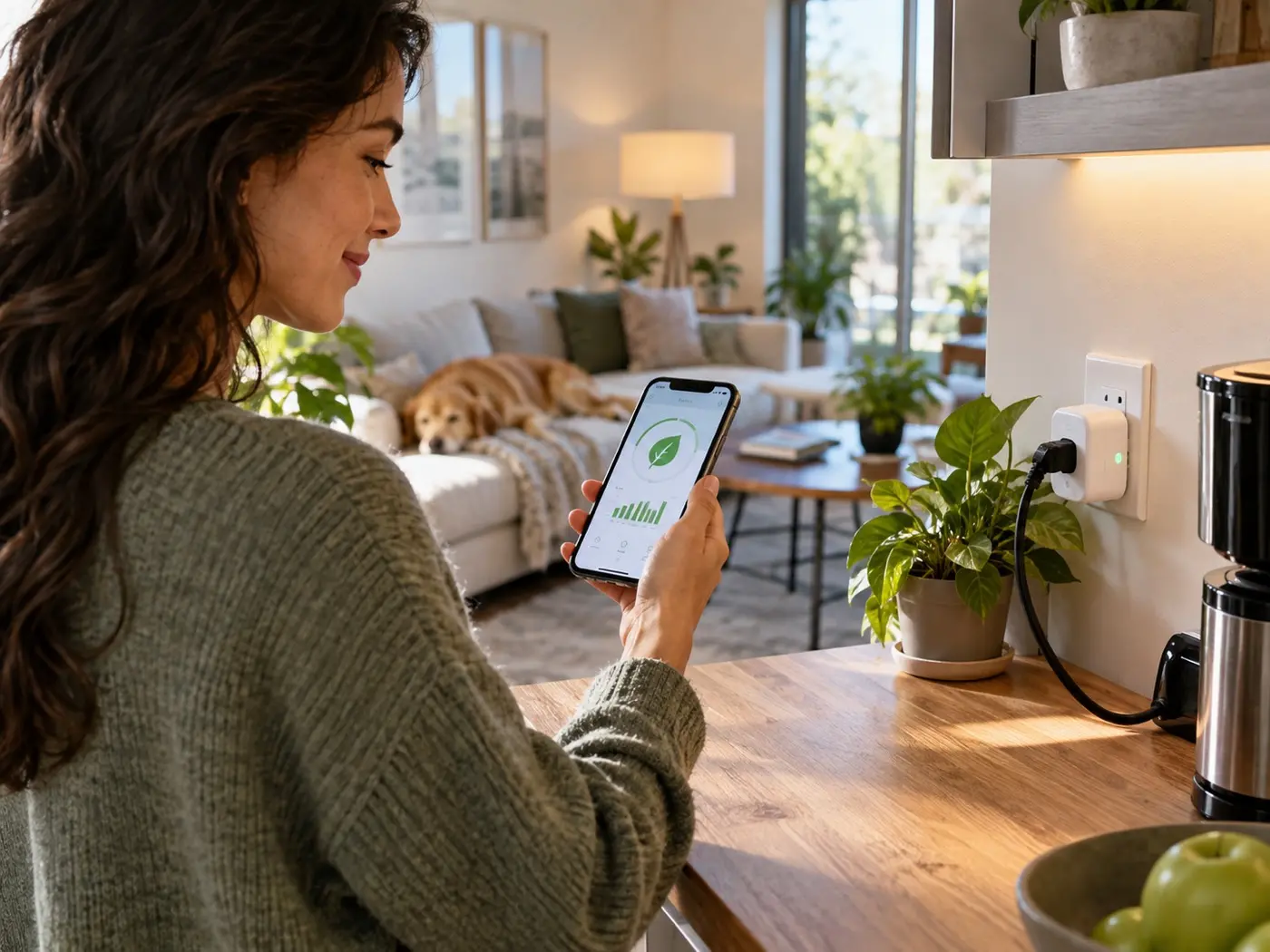
We didn’t go big. We didn’t even know where to start. So we picked the simplest thing we could think of: a smart plug. You know the kind—one of those little white adapters you plug into the wall, then plug your lamp or coffee maker into. This one cost about $15 and took less than five minutes to set up. Maya bought one first. She used it for the floor lamp in her living room—the one her kids always forgot to turn off.
Within a week, she texted me a screenshot from the app. “I left it on for seven hours yesterday,” she wrote. “Seven! No wonder my bill’s high.” The app showed her exactly when the lamp turned on and off, and even estimated how much energy it used. That tiny bit of feedback changed everything. She set a schedule: the lamp turns off automatically at sunset. Then she added a second plug for her holiday lights—only on from 5 to 9 p.m. No more forgetting. No more guilt.
I followed her lead and got one for my coffee maker. I love my morning coffee, but I hate wasting energy. I set it to turn on at 6:45 a.m., just before I wake up, and off by 9 a.m. Even better? I can turn it off from my phone if I oversleep or leave the house. One morning, I was halfway to my daughter’s soccer game when I realized I hadn’t unplugged it. A quick tap on my phone, and it was done. No U-turn. No stress. That’s when it hit me—this wasn’t just about saving watts. It was about gaining time and peace of mind.
What surprised us most was how quickly these small wins added up. Maya saw a 10% drop in her next bill. I saved enough to cover the cost of three smart plugs in one month. But more than that, we both felt more in control. We weren’t perfect. But we were aware. And awareness, we were learning, is the first step toward real change.
Learning Together: Turning Doubt into Confidence
Of course, it wasn’t all smooth sailing. At first, we had our doubts. “Is this really worth it?” Maya asked after her first week. “Feels like a toy.” I felt the same. Tech can seem intimidating—like it’s for people who speak a different language. But we made a rule: no jargon, no pressure. Just real talk. We’d meet weekly—sometimes in person, sometimes over video chat—and share what we’d learned.
One of our funniest moments? Maya accidentally set her smart plug to turn off the refrigerator during a test run. “I didn’t think it would let me!” she laughed. “But it did. Luckily, I caught it in time.” We learned that not every device should be on a timer—fridges, freezers, and medical equipment need to stay on. But that mistake taught us something important: smart doesn’t mean automatic. It means making informed choices. We started reading labels, checking device compatibility, and learning which appliances used the most energy.
We also discovered voice control. Maya has her smart plug linked to her voice assistant. “Hey, turn off the porch light,” she says, and it’s done. No app, no phone, just her voice. I started using remote shutdowns when I travel. Before, I’d lie in a hotel bed worrying about the iron or the stove. Now, I open the app, check everything, and turn off what needs to go. It’s not magic. It’s just relief.
What helped most was sharing screenshots, tips, and even our frustrations. When I struggled with Wi-Fi connectivity, she walked me through resetting the router. When she wasn’t sure about a setting, I looked up the manual with her. We weren’t experts—we were just two friends helping each other figure it out. And in that process, tech stopped feeling cold and technical. It started feeling warm, personal, and useful.
Home by Home: How We Expanded with Purpose
After the smart plugs worked so well, we both wanted to do more. But we didn’t rush. We asked ourselves: Where am I wasting the most energy? For Maya, it was cooling. Her home gets hot in the afternoons, and she used to leave the AC on all day, even when no one was home. That changed when she installed a smart thermostat. It learns your schedule and adjusts the temperature automatically. She set it to cool the house only when the family is home, and to switch to energy-saving mode when they’re out.
The difference was immediate. In the first month, her cooling costs dropped by nearly 25%. She also added smart light switches in the kitchen and hallway—no more flipping switches in the dark, and no more lights left on by accident. The app shows her usage by room, so she knows exactly where to focus. “I had no idea the kitchen lights were on for eight hours a day,” she said. “Now I schedule them to turn off at 8 p.m.”
I focused on the kitchen and laundry room. I got a smart outlet for my washing machine and dryer. Now, I run heavy loads during off-peak hours when electricity rates are lower. Some utility companies even offer discounts for this—something I didn’t know before. I also added a smart power strip for my home office. It cuts power to my printer, scanner, and speakers when my computer goes to sleep. No more phantom energy drain.
None of these changes required an electrician. Most took less than 15 minutes to install. And we didn’t do it all at once. We picked one room, one device, one habit at a time. Over three months, our combined efforts led to a 20–30% drop in our electric bills. But more importantly, our homes started to feel more intentional. Every change was made with a purpose: to save energy, reduce waste, and make life a little easier.
The Real Reward: Time, Trust, and Fewer Surprises
If I had to pick one thing that changed the most, it wouldn’t be the money. It would be the time. The hours we used to spend worrying, checking, and fixing. Now, I don’t double-check the stove before leaving the house. I open the app, see everything is off, and go. Maya doesn’t stress about the AC when she’s at her mom’s. She adjusts it from her phone if needed. We’ve both reclaimed small moments—moments that add up to less stress and more freedom.
There’s also the trust. Our homes feel safer. We know our devices are monitored. We get alerts if something unusual happens—like a sudden spike in energy use, which could mean a malfunctioning appliance. Last winter, Maya’s heater started drawing more power than usual. The app flagged it, and she called a technician before it became a bigger issue. That kind of early warning is priceless.
And then there’s the joy. Yes, joy. It sounds strange, but there’s a quiet satisfaction in living more mindfully. When the lights turn off on their own, when the coffee brews just as I wake up, when I see the energy graph trending down—it feels like my home is working with me, not against me. It’s not about having a futuristic house. It’s about having a thoughtful one. One that respects our time, our budget, and our peace.
Our friendship grew stronger, too. We weren’t just sharing recipes or school updates anymore. We were sharing progress. Celebrating small wins. Encouraging each other when things felt overwhelming. That sense of partnership made the journey feel lighter and more meaningful.
Making It Work for You: Simple Steps to Start Today
If you’re thinking, This sounds good, but I don’t know where to start, I get it. You don’t need to change everything at once. Here’s what Maya and I would tell you: Start with one device. Pick something you use every day—your coffee maker, your lamp, your fan. Get a smart plug. Plug it in. Download the app. Play with the settings. See how it feels.
Next, choose high-impact spots. Focus on devices that run for long periods or use a lot of power—like your AC, heater, washing machine, or space heater. Even small changes here can lead to big savings. Use scheduling to match your routine. Turn things off when you’re not home. Run appliances during off-peak hours if your utility offers lower rates.
Use the app to learn. Most smart devices show you how much energy you’re using. It’s not about judgment—it’s about awareness. You might be surprised by what you discover. And don’t do it alone. Talk to a friend, a neighbor, or a family member. Share what you’re trying. Ask for help. Tech feels less intimidating when you’re learning with someone you trust.
Finally, be kind to yourself. You don’t have to be perfect. Some days, you’ll forget to schedule something. Some devices might not work as expected. That’s okay. This isn’t about flawlessness. It’s about progress. Every small step counts. And every step brings you closer to a home that feels more peaceful, more efficient, and more you.
More Than Savings: How Tech Helped Us Live Lighter and Smarter
Looking back, I realize this journey was never just about electricity. It was about mindfulness. About paying attention to the little things that shape our days. About making choices that align with our values—caring for our homes, our families, and our planet. When we reduce waste, we’re not just saving money. We’re honoring the resources we have. We’re teaching our kids to be responsible. We’re doing our small part for the earth.
Smart tech helped us see energy not as an invisible force, but as something tangible—something we could understand, manage, and improve. It gave us data, yes, but more importantly, it gave us clarity. And with clarity came confidence. We stopped feeling like victims of our bills and started feeling like managers of our homes.
But the biggest change was emotional. We lost the background hum of anxiety—the constant “what ifs” that used to follow us out the door. We gained weekends back. We spent less time fixing mistakes and more time doing what we love—reading, gardening, laughing with our kids, enjoying quiet mornings with coffee. That’s the real win.
So if you’re wondering whether smart tech is worth it, let me say this: it’s not about having the latest gadget. It’s about creating a life that feels lighter, calmer, and more in your control. It’s about using tools—not to complicate things, but to simplify them. To give you back what matters most: time, peace, and the freedom to live fully.
Maya and I still meet for coffee. But now, when we talk about our homes, it’s not with frustration. It’s with pride. Not because we have the smartest house on the block, but because we’ve learned to live with a little more care, a little more intention, and a lot more joy. And honestly? That’s the kind of upgrade anyone can appreciate.