
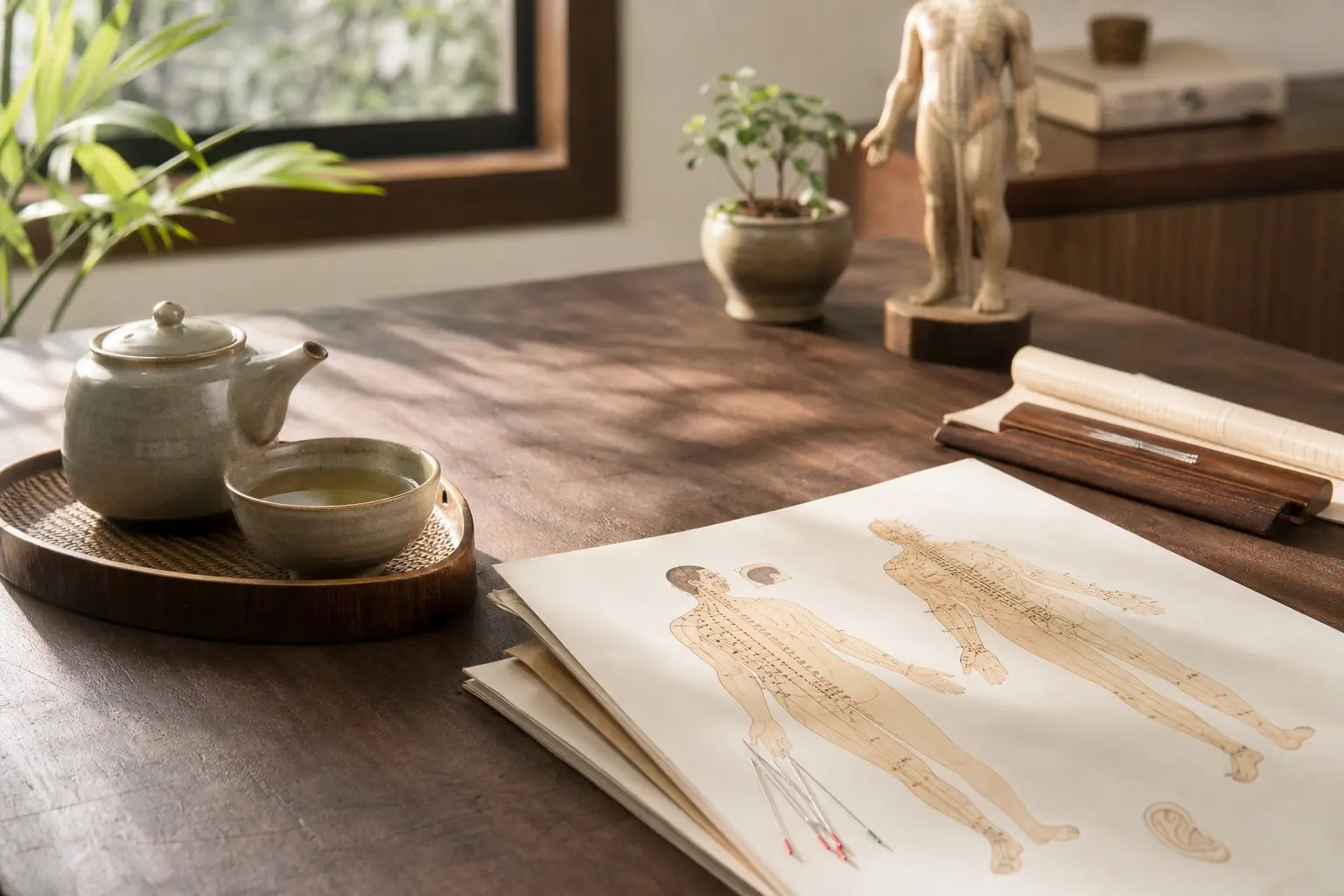
For months, I felt drained—no matter how much I slept. Coffee stopped helping, and my focus was shot. That’s when I turned to traditional Chinese medicine (TCM), not for quick fixes, but for real, science-backed balance. What I discovered wasn’t magic, but method: targeted adjustments that work with the body’s rhythms. This is how TCM helped me rebuild energy, focus, and resilience—naturally and effectively. The journey wasn’t about dramatic interventions, but about understanding the quiet signals my body had been sending for years. Fatigue, brain fog, irritability—these weren’t just stress. They were signs of deeper imbalance, ones that modern routines often ignore. What followed was a shift in perspective: healing not as a sprint, but as a steady return to rhythm, regulation, and restoration.
Chronic fatigue is more than just feeling tired. It’s a persistent lack of energy that doesn’t improve with rest, a mental cloud that dulls decision-making, and a physical heaviness that makes daily tasks feel overwhelming. Millions of people, especially women between the ages of 30 and 55, experience this kind of exhaustion—not because they’re lazy or unmotivated, but because their bodies are operating out of balance. Unlike acute tiredness from a late night or a busy week, this fatigue lingers, cycling through brief improvements and sudden crashes. Conventional solutions like extra sleep, caffeine, or multivitamins often provide only temporary relief, if any. The root of the problem isn’t simply a lack of rest—it’s a disruption in the body’s ability to regulate energy, repair tissues, and manage stress.
Modern life plays a major role in this imbalance. Constant digital stimulation, irregular meal times, poor sleep hygiene, and emotional strain place ongoing demands on the nervous system. Over time, this leads to what researchers call allostatic load—the cumulative wear and tear on the body from chronic stress. When the body is in a near-constant state of low-grade stress, it prioritizes survival over restoration. Digestion slows, immune function dips, and energy production becomes inefficient. The result? A system that’s always on alert but never truly recharged. This state mirrors what traditional Chinese medicine describes as a depletion of Qi, particularly Qi related to the Spleen and Kidney systems, which are responsible for transforming food and rest into usable energy.
What makes this form of burnout so difficult to address is that it often goes unrecognized by standard medical evaluations. Blood tests may come back normal, and doctors may not find a diagnosable condition like anemia or thyroid dysfunction. Yet the fatigue is real, and its impact on quality of life is significant. It affects concentration, mood, relationships, and the ability to care for family and manage responsibilities. Without addressing the underlying regulatory dysfunction, people remain trapped in a cycle of pushing through exhaustion, only to crash again. The key to breaking this pattern lies not in doing more, but in supporting the body’s innate capacity to recover—something TCM has been designed to do for over two thousand years.
Why Traditional Chinese Medicine Makes Scientific Sense
For many, the idea of traditional Chinese medicine evokes images of ancient rituals or unproven remedies. But beneath the surface, TCM is built on a sophisticated observational framework that aligns closely with modern physiological understanding. Concepts like Qi, Yin, and Yang are not mystical forces, but practical metaphors for biological processes. Qi, often translated as “vital energy,” can be understood as the sum of metabolic activity, cellular communication, and nervous system function. When Qi flows smoothly, the body operates efficiently. When it becomes blocked or depleted, symptoms like fatigue, pain, and poor digestion arise.
Yin and Yang represent the balance between activity and rest, heat and cooling, excitation and inhibition—functions directly mirrored in the sympathetic and parasympathetic branches of the autonomic nervous system. Chronic fatigue often reflects a Yang-deficient state, where the body lacks the drive to initiate action, or a Yin-deficient state, where there’s insufficient internal resources to sustain activity. TCM doesn’t treat these as abstract imbalances, but as observable patterns that can be addressed through targeted interventions. For example, a person with cold hands, low motivation, and loose stools may be diagnosed with Spleen Qi deficiency—a pattern associated with poor nutrient absorption and low energy production.
Modern research supports many TCM practices as having measurable physiological effects. Acupuncture, one of the most studied components of TCM, has been shown in clinical trials to influence the release of neurotransmitters like serotonin and endorphins, modulate pain perception, and improve autonomic nervous system balance. Studies using functional MRI have demonstrated that acupuncture can activate brain regions involved in stress regulation and homeostasis. Herbal formulations used in TCM, such as those containing ginseng, astragalus, or licorice root, have been found to support adrenal function, reduce inflammation, and enhance mitochondrial efficiency—the cellular powerhouses responsible for energy production.
What sets TCM apart is its systems-based approach. Rather than isolating a single symptom, it looks at how digestion, sleep, emotion, and physical activity interconnect. A TCM practitioner might link afternoon fatigue to poor lunch digestion, or insomnia to liver Qi stagnation caused by emotional stress. These connections may seem indirect at first, but they reflect a holistic understanding of health that modern integrative medicine is only now beginning to validate. By viewing the body as an interconnected network, TCM offers a roadmap for restoring balance—not through quick fixes, but through sustainable, science-informed adjustments.
The decision to try TCM came after months of feeling disconnected from my own body. I had tried every mainstream remedy—sleep trackers, protein shakes, meditation apps—but nothing brought lasting relief. I was skeptical at first, unsure if an ancient system could address a modern problem. But after a thorough consultation with a licensed TCM practitioner, I began to see my symptoms in a new light. Instead of being told I just needed to “relax more” or “exercise,” I was asked detailed questions about my digestion, sleep patterns, emotional state, and even the temperature of my hands and feet. The assessment wasn’t rushed; it took over an hour and felt deeply personal.
Based on the evaluation, I was identified as having a pattern of Spleen Qi deficiency with mild Liver Qi stagnation—common in people who overthink, skip meals, or live with ongoing emotional strain. The recommended plan wasn’t about drastic changes, but about gentle, consistent realignments. The first step was adjusting my meal timing: eating a warm, cooked breakfast by 8 a.m., having lunch as the largest meal, and finishing dinner by 7 p.m. This aligned with the body’s natural digestive rhythms, supporting the Spleen’s role in transforming food into energy. Cold foods and raw salads were minimized, as they require more digestive effort and can weaken Spleen function over time.
Next came a simple daily routine: five minutes of diaphragmatic breathing each morning, followed by gentle stretching or a short walk. This wasn’t intense exercise, but mindful movement designed to encourage Qi flow and reduce stagnation. I also began going to bed by 10:30 p.m., in line with TCM’s emphasis on the liver’s regeneration cycle between 11 p.m. and 1 a.m. Sleep didn’t improve overnight, but within three weeks, I noticed I was waking up less groggy. The changes felt small, almost invisible at first, but they created a foundation for deeper recovery. There was no single moment of transformation—just a gradual return of clarity, stamina, and emotional steadiness.
What made these adjustments effective wasn’t just tradition, but their alignment with physiological principles. One of the most important mechanisms is the regulation of the vagus nerve, a key component of the parasympathetic nervous system. When the vagus nerve is underactive, the body stays in a state of low-grade stress, impairing digestion, sleep, and immune function. TCM practices like acupuncture, breathwork, and regular meal timing have been shown to enhance vagal tone—the body’s ability to shift from stress to rest. This allows for better nutrient absorption, reduced inflammation, and improved recovery after physical or mental exertion.
Another critical factor is mitochondrial health. Mitochondria are the energy-producing structures within cells, and their efficiency declines under chronic stress. TCM herbs like ginseng and astragalus contain compounds that have been studied for their ability to support mitochondrial function and reduce oxidative stress. In animal and human studies, these adaptogenic herbs have demonstrated effects on energy metabolism, fatigue reduction, and stress resilience. Similarly, acupuncture has been found to influence cellular energy production by increasing ATP synthesis and improving blood flow to tissues.
Inflammation is another silent contributor to fatigue, and TCM offers multiple pathways to address it. Chronic low-grade inflammation disrupts hormone signaling, impairs brain function, and accelerates cellular aging. Many TCM herbs, such as turmeric (Jiang Huang), peony root (Bai Shao), and licorice (Gan Cao), have well-documented anti-inflammatory properties. When used appropriately, these herbs help modulate the immune response without suppressing it. Lifestyle adjustments, such as avoiding overwork and maintaining emotional balance, further reduce inflammatory load by lowering cortisol and adrenaline levels.
Perhaps most importantly, TCM emphasizes rhythm and consistency. The body thrives on predictability—regular sleep, eating, and activity patterns signal safety and stability to the nervous system. Disruptions to these rhythms, such as late-night screen use or irregular meal times, create metabolic confusion and deplete energy reserves. By reintroducing daily structure, TCM supports the body’s internal clock, or circadian rhythm, which governs everything from hormone release to body temperature. This rhythmic stability is not just comforting—it’s biologically essential for long-term energy and resilience.
One of the most empowering aspects of TCM is that its principles can be integrated into everyday life without drastic overhauls. The focus is not on perfection, but on consistency. The first adjustment—meal timing—had an immediate impact. Eating breakfast within an hour of waking signaled to my body that energy was available, reducing the mid-morning crash. Making lunch the largest meal aligned with the body’s peak digestive capacity around noon, while finishing dinner early allowed for full digestion before sleep. These changes supported the Spleen’s role in transforming food into Qi, reducing the sluggishness I used to feel after meals.
Breathwork became another cornerstone. Just five to ten minutes of slow, deep breathing each day helped reset my nervous system. I practiced diaphragmatic breathing—inhaling deeply through the nose, expanding the belly, and exhaling slowly. This simple act stimulated the vagus nerve, shifting the body from fight-or-flight mode to rest-and-digest. Over time, I noticed I was less reactive to stress, my sleep improved, and my energy felt more stable throughout the day. It wasn’t about eliminating stress, but about building resilience to it.
Physical activity was redefined not as intense workouts, but as gentle movement that encouraged circulation. A 20-minute walk after lunch, a few minutes of stretching in the morning, or tai chi videos at home—all helped keep Qi flowing and prevent stagnation. Even small habits, like standing up every hour or massaging the feet before bed, contributed to a sense of vitality. Seasonal awareness also played a role: dressing warmly in winter to conserve Yang energy, eating cooling foods in summer to support Yin, and adjusting activity levels with the natural light cycle.
Sleep hygiene was refined with TCM principles in mind. Instead of scrolling in bed, I created a wind-down routine: dimming lights, drinking a warm cup of non-caffeinated herbal tea, and reading a physical book. Going to bed by 10:30 p.m. supported the liver’s detoxification and repair processes, which are most active between 11 p.m. and 3 a.m. These changes didn’t fix everything overnight, but over six weeks, my sleep quality deepened, and I woke up feeling more restored. The key was not intensity, but regularity—small actions, repeated daily, created lasting change.
Improvement in energy and well-being isn’t always dramatic. Often, it shows up in subtle ways that are easy to overlook. One of the first signs for me was faster recovery after physical activity. Where I used to feel drained for hours after a walk or grocery shopping, I began to bounce back within minutes. Another indicator was mental clarity—my ability to focus on tasks without constant distraction improved steadily. I also noticed better emotional regulation: fewer mood swings, less irritability, and a greater sense of calm, even during busy days.
Sleep quality became a reliable marker. I started tracking how often I woke up at night, how quickly I fell asleep, and how I felt upon waking. Over time, nighttime awakenings decreased, and I spent more time in deep sleep. Digestion improved too—fewer bloating episodes, regular bowel movements, and a reduced craving for sugary snacks, which often signal blood sugar instability and Qi deficiency. These changes weren’t just subjective; they reflected a body that was regaining its balance.
It’s important to note that progress wasn’t linear. There were days when old habits crept back, or stress spiked, and fatigue returned. But instead of viewing these as failures, I learned to see them as feedback. They reminded me to return to the basics—eat on time, breathe deeply, rest early. The goal wasn’t to eliminate fatigue entirely, but to build a system that could recover more efficiently. By paying attention to these small shifts, I gained a deeper awareness of my body’s needs, which became the foundation for lasting wellness.
Traditional Chinese medicine is not a replacement for Western healthcare, but a complementary system that fills important gaps. It excels in addressing the gray zone of health—the symptoms that aren’t severe enough for a diagnosis but still diminish quality of life. By focusing on regulation, rhythm, and resilience, TCM offers a science-supported path to sustainable energy and well-being. Its strength lies in personalization: no two people follow the same plan, because each body has unique needs and patterns.
For women in their 30s, 40s, and 50s—often juggling careers, family, and personal health—TCM provides a compassionate, practical framework. It doesn’t demand more time or effort, but smarter use of existing routines. Eating at regular times, moving gently, sleeping earlier—these are not burdens, but acts of self-respect. The philosophy encourages listening to the body, honoring its limits, and making small, consistent choices that add up over time.
Any integration of TCM should be done with professional guidance, especially when using herbal formulas or acupuncture. Not all supplements are safe for everyone, and self-diagnosis can be misleading. Working with a licensed practitioner ensures that recommendations are tailored and safe. At the same time, the everyday principles—rhythm, mindfulness, balance—are accessible to anyone willing to try them.
The journey to better energy is not about finding a magic cure. It’s about returning to the body’s natural intelligence, supporting its ability to heal and sustain itself. What I’ve learned from TCM is that wellness isn’t a destination, but a daily practice—a quiet commitment to showing up for yourself, one small, science-informed choice at a time. In a world that glorifies busyness, choosing balance is revolutionary. And for anyone feeling drained, overwhelmed, or stuck in a cycle of fatigue, this approach offers real hope—not through hype, but through harmony.